


Challenges today
Addressing Challenges in Clinical Research
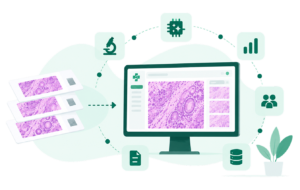
Clinical research teams manage growing pathology datasets, complex study workflows, and distributed collaboration. Connected digital pathology helps organize research data, standardize analysis, and support efficient pathology review across studies.
Managing Research Data
Organizing pathology images, cases, and study data becomes complex across growing research workflows.
Standardizing Image Analysis
Manual image review can vary across reviewers, making consistent and reproducible analysis more difficult.
Connecting Study Teams
Research teams need secure ways to review cases, share findings, and collaborate across study locations.
Integrated Solutions for Clinical Research

Digital Case Repositories
Centralized Case Storage
Store research cases and associated pathology data in an organized digital repository.
Fast Case Retrieval
Quickly locate relevant cases, slides, and study information when needed.
Study-Wide Accessibility
Provide authorized research teams with consistent access to study-related pathology data.
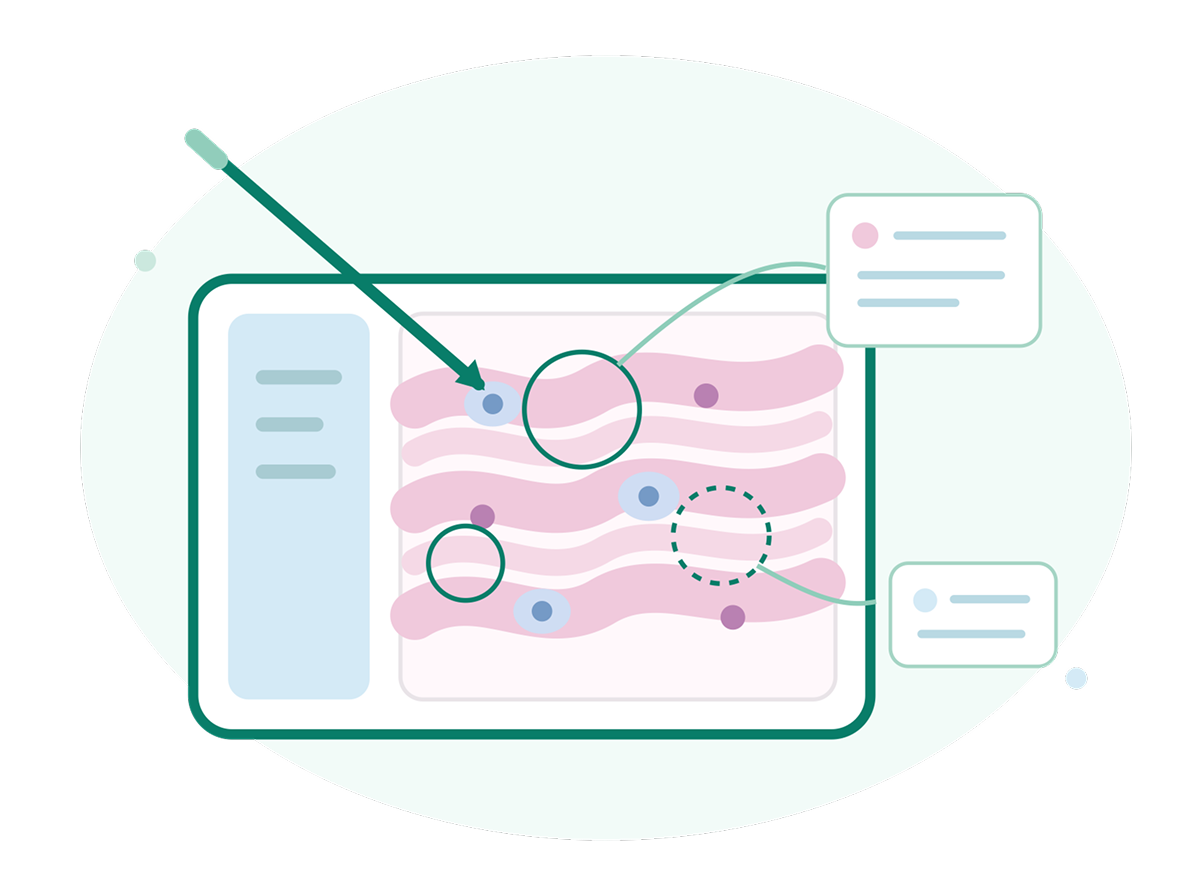
Image Annotation Tools
Structured Image Markup
Mark relevant tissue regions and findings directly on digital pathology images.
Standardized Annotations
Create consistent annotations to support repeatable research assessments across cases.
Annotation-Based Review
Use annotated regions to support case review, analysis, and research interpretation.

Collaborative Research Workflows
Shared Case Review
Enable researchers and pathologists to review digital cases within connected workflows.
Expert Collaboration
Support discussions and consultations between specialists across research teams.
Distributed Study Access
Allow authorized teams to collaborate securely across institutions and locations.

Pathology Data Management
Organized Study Data
Manage pathology images, cases, annotations, and related research information in one workflow.
Controlled Data Access
Provide role-based access to sensitive research and pathology information.
Efficient Data Retrieval
Make relevant pathology data easier to locate, review, and manage throughout a study.
Quantitative Image Analysis
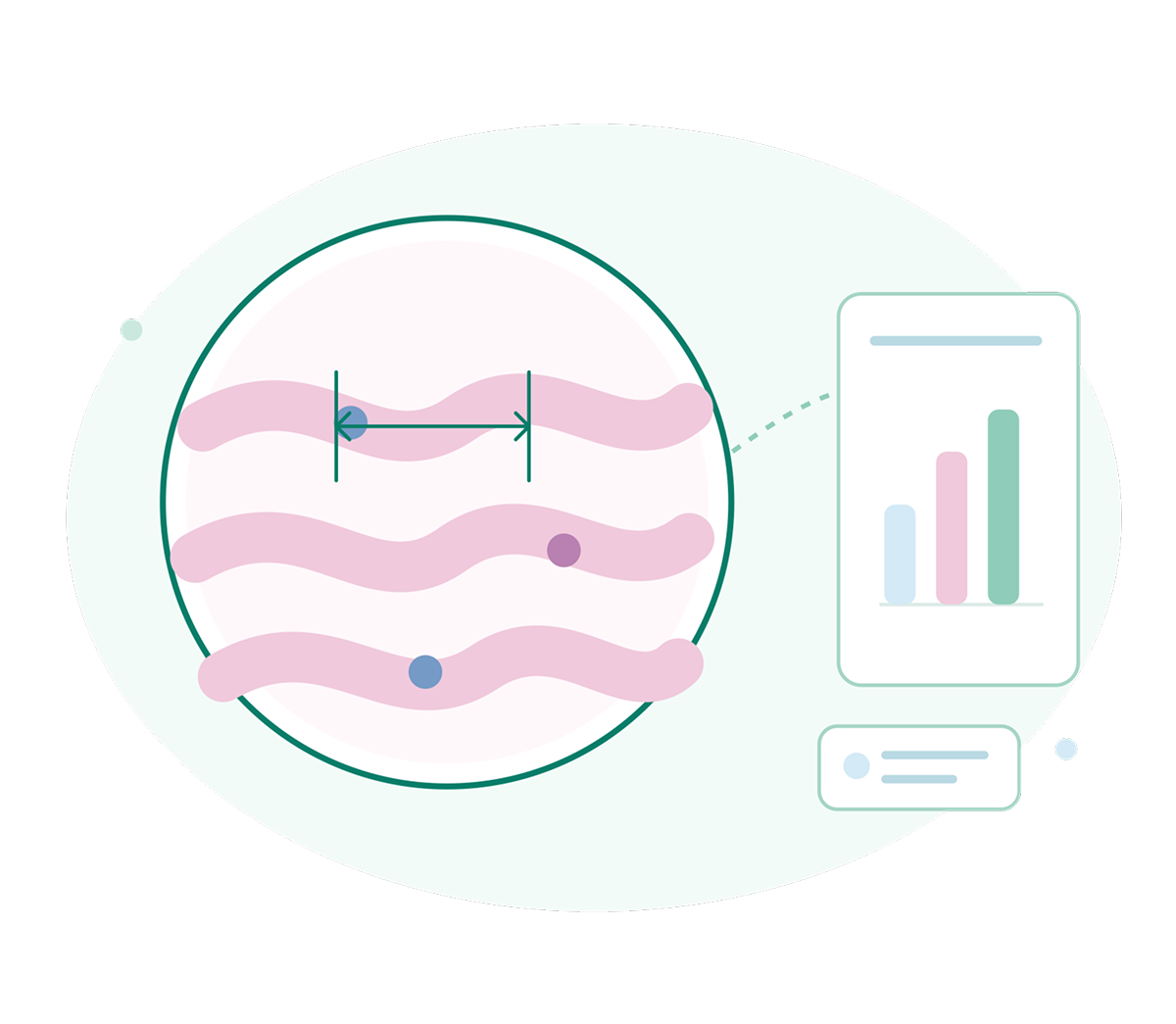
Objective Measurements
Extract measurable insights from digital pathology images to support research analysis.
Consistent Assessment
Apply structured analysis methods to reduce variability across cases and reviewers.
Data-Driven Insights
Turn image-based findings into quantitative information for research evaluation.
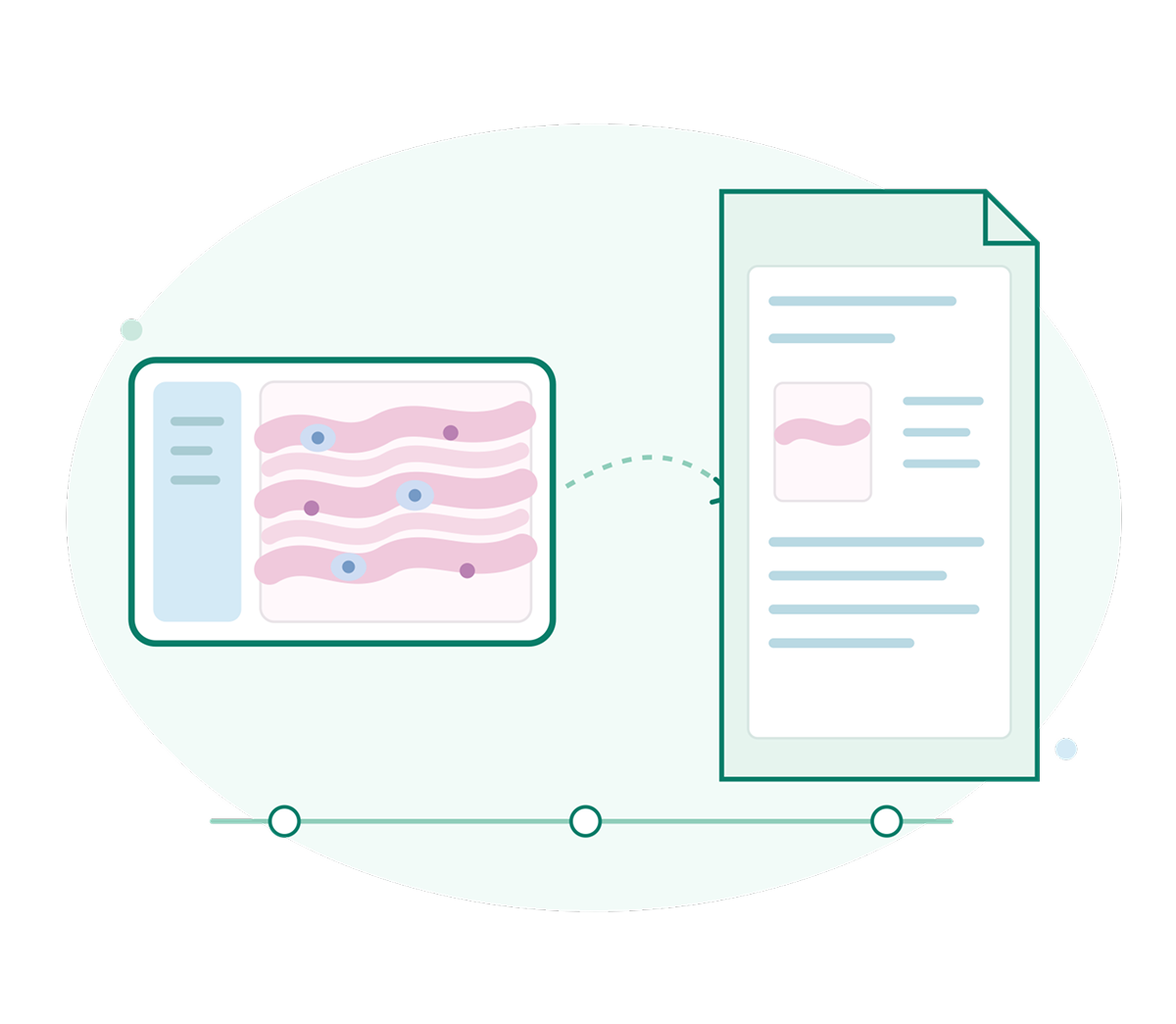
Study Documentation
Centralized Documentation
Maintain study-related pathology records and supporting information in an organized environment.
Structured Case Records
Keep relevant case details, observations, and analysis information connected.
Traceable Research Workflows
Support clear documentation throughout pathology review and study activities.
Centralized Pathology Review
Unified Case Review
Bring pathology cases together for consistent review across research studies.
Expert Pathology Oversight
Enable qualified pathologists to review and interpret research-related pathology findings.
Consistent Study Assessment
Support standardized pathology review across cases, sites, and research teams.