

Challenges today
Addressing Challenges in Pathology Education
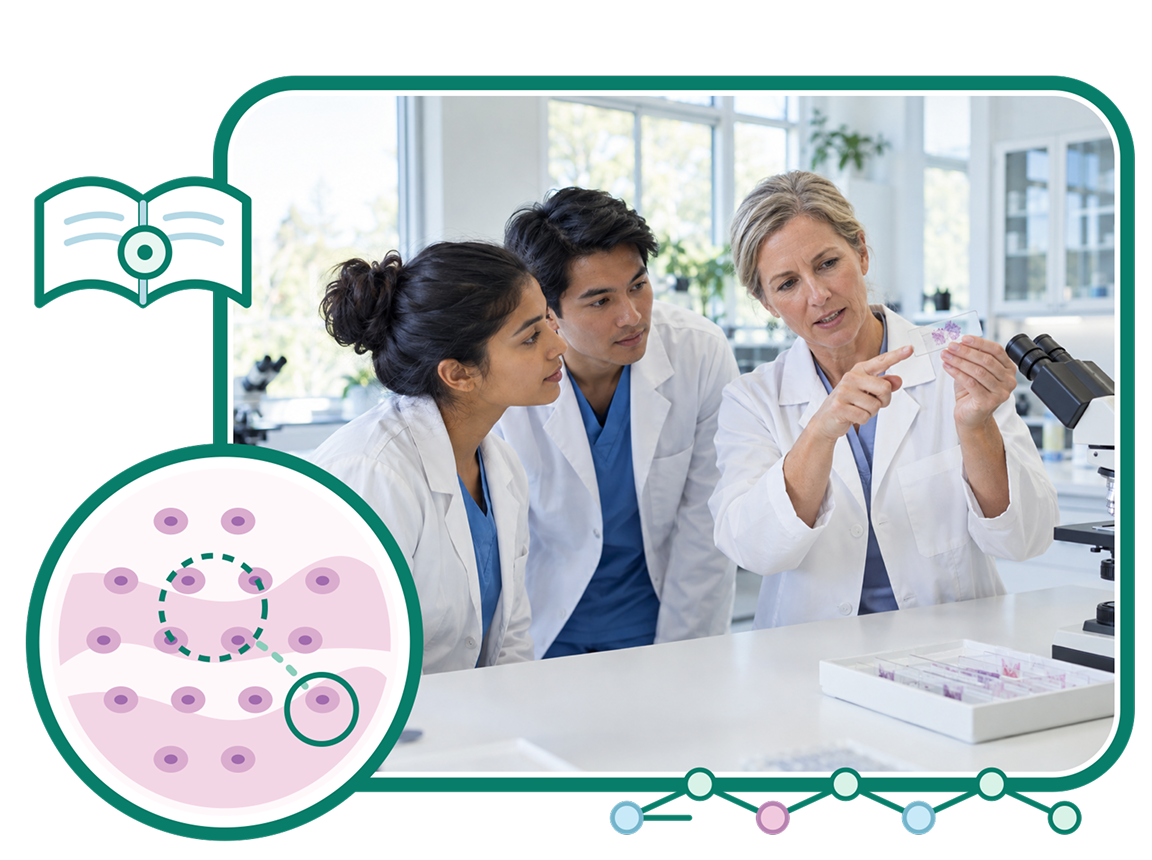
Pathology education requires accessible teaching resources, practical learning opportunities, and effective faculty-student interaction. Digital pathology can help institutions create more flexible, engaging, and collaborative learning experiences.
Limited Access to Teaching Slides
Give students consistent access to digital slides and teaching materials without relying solely on physical slide collections.
Challenges in Practical Learning
Create accessible practical learning experiences that allow students to review specimens and pathology cases beyond the classroom.
Connecting Faculty and Students
Enable faculty and students to interact, review cases, share annotations, and learn together across connected digital environments.
Integrated Solutions for Pathology Education
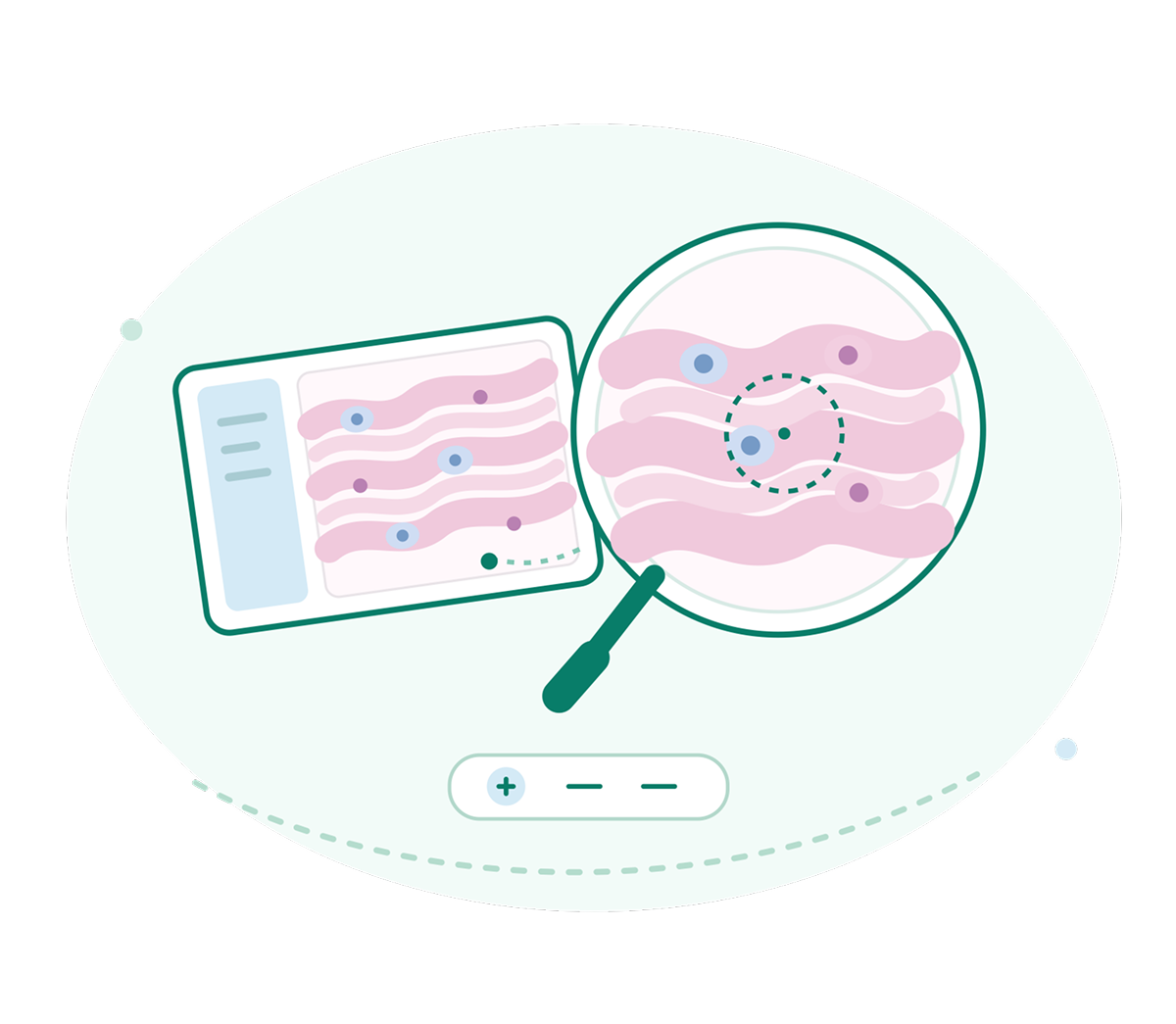
Virtual Microscopy
Interactive Slide Viewing
Let students explore high-resolution digital slides through an accessible virtual microscopy experience.
Guided Tissue Exploration
Support detailed examination of tissue structures with intuitive digital viewing and navigation tools.
Flexible Learning Access
Allow students to review pathology slides beyond scheduled classroom and laboratory sessions.
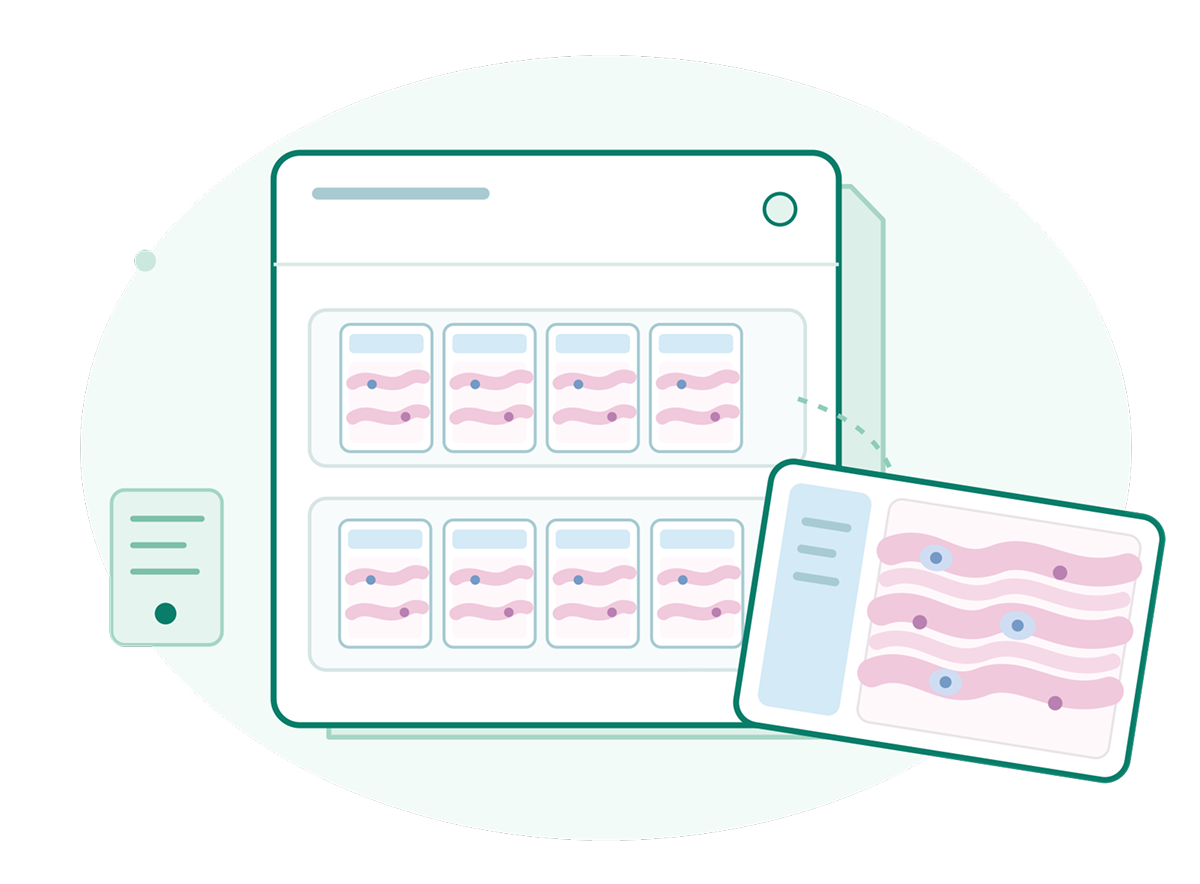
Digital Slide Libraries
Organized Teaching Collections
Create structured digital collections of pathology slides for courses, topics, and practical learning.
Easy Slide Access
Give students and faculty convenient access to teaching slides through a centralized digital library.
Reusable Learning Resources
Build organized slide collections that can support teaching, revision, and future academic programs.
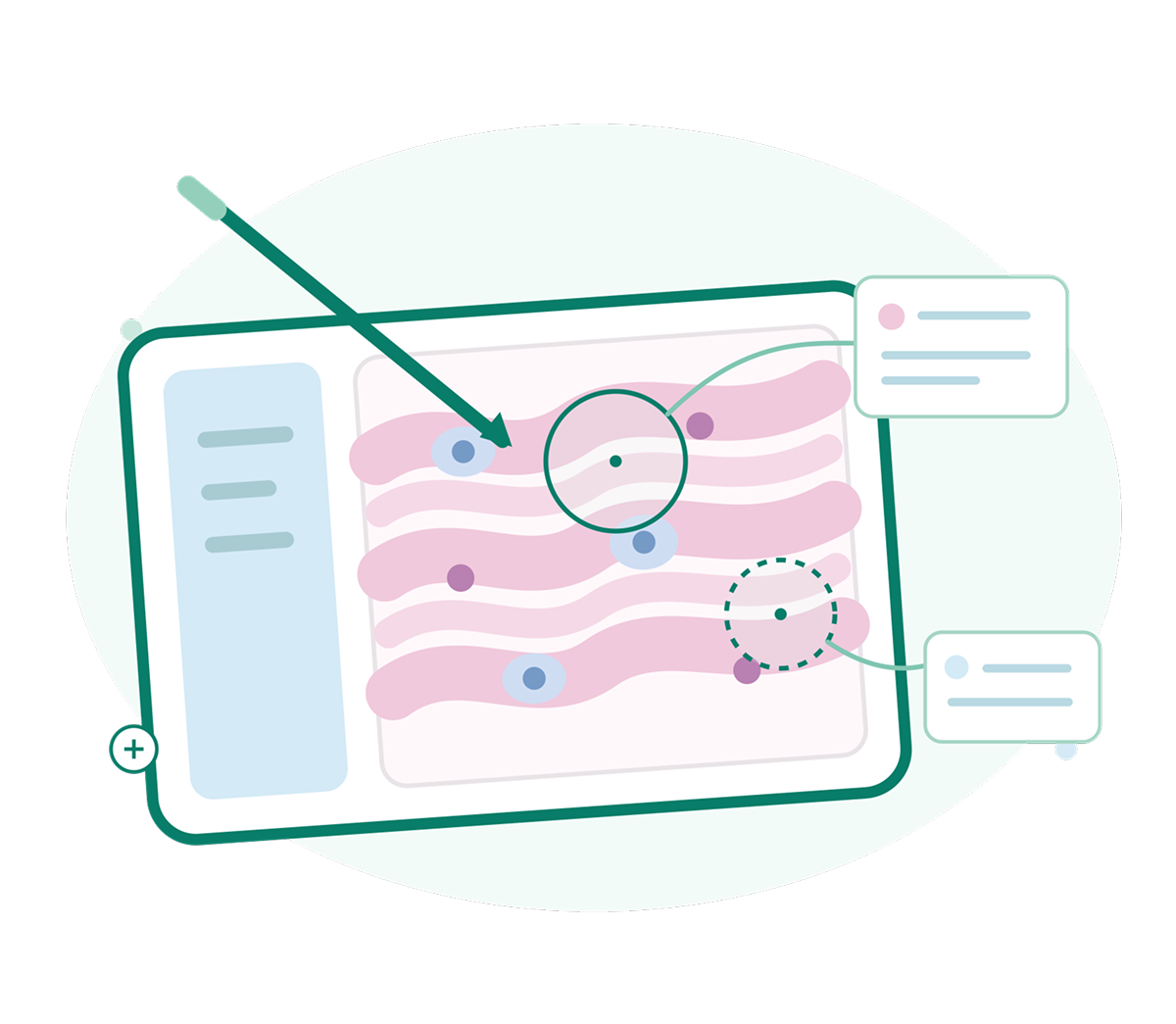
Faculty Annotations
Guided Slide Annotations
Enable faculty to highlight important tissue features and guide students through digital pathology cases.
Shared Teaching Insights
Add visual explanations and observations that help students understand key pathological findings.
Structured Learning Guidance
Use annotations to create consistent visual guidance across pathology lessons and teaching materials.
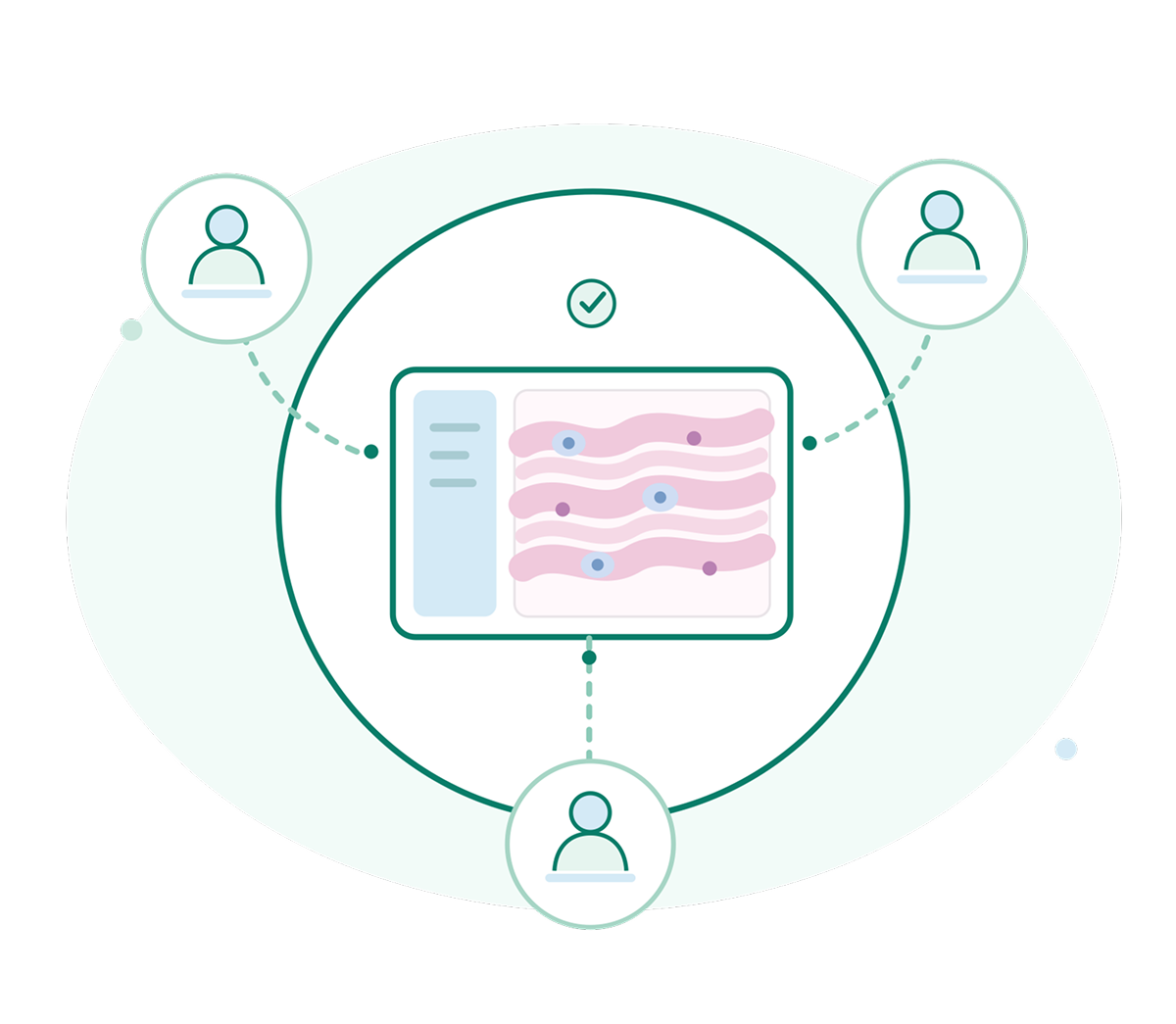
Online Practical Sessions
Digital Practical Classes
Conduct pathology practical sessions using digital slides that students can access from connected devices.
Instructor-Led Demonstrations
Allow faculty to demonstrate tissue findings and guide students through practical learning activities.
Flexible Session Access
Support practical learning beyond physical laboratories with accessible online digital pathology sessions.
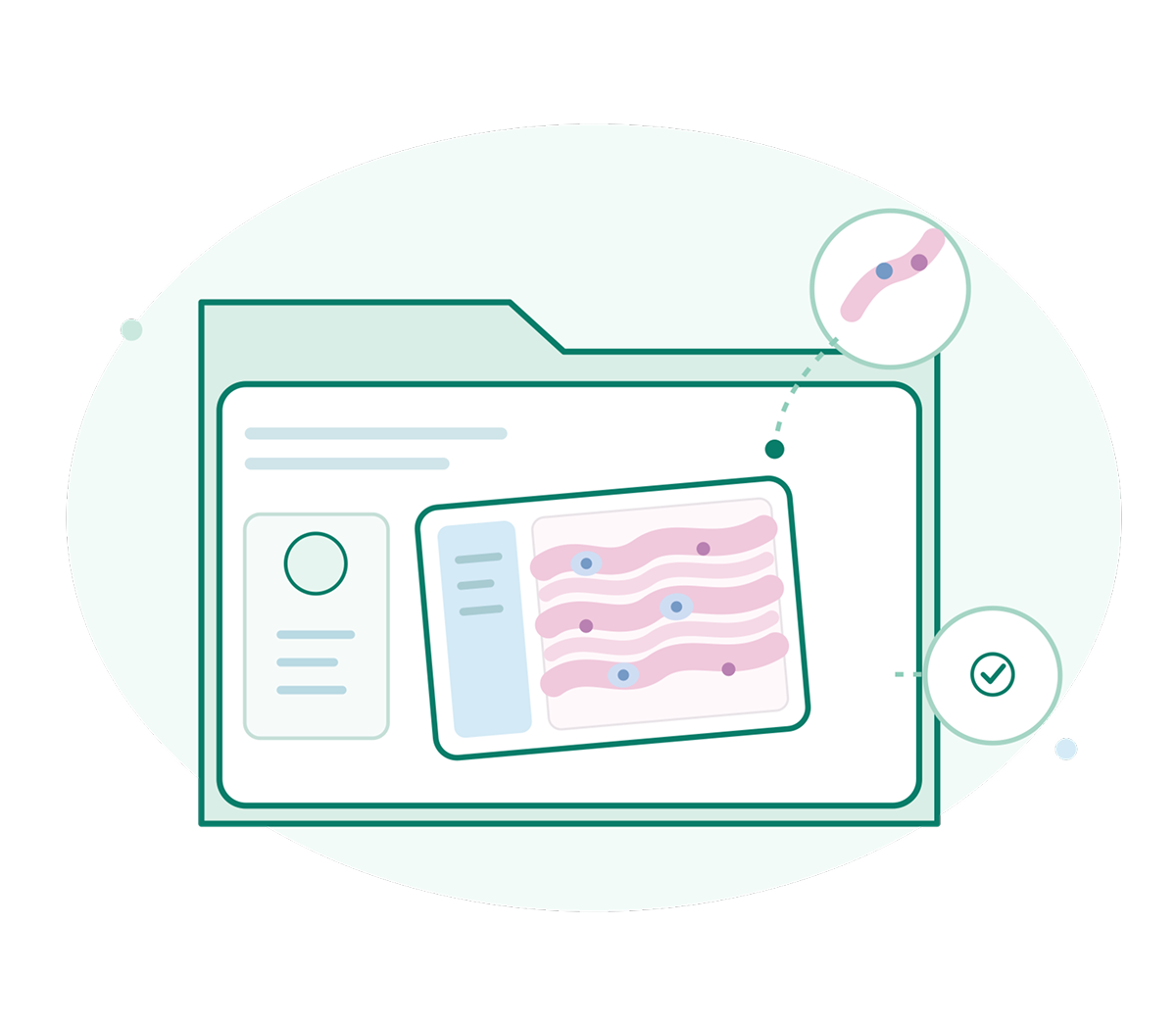
Case-Based Learning
Realistic Pathology Cases
Present structured pathology cases that help students connect clinical context with tissue-based observations.
Guided Case Exploration
Lead students through digital cases using organized slides, annotations, and supporting learning materials.
Applied Clinical Learning
Help students develop practical reasoning by exploring pathology cases in a structured learning environment.
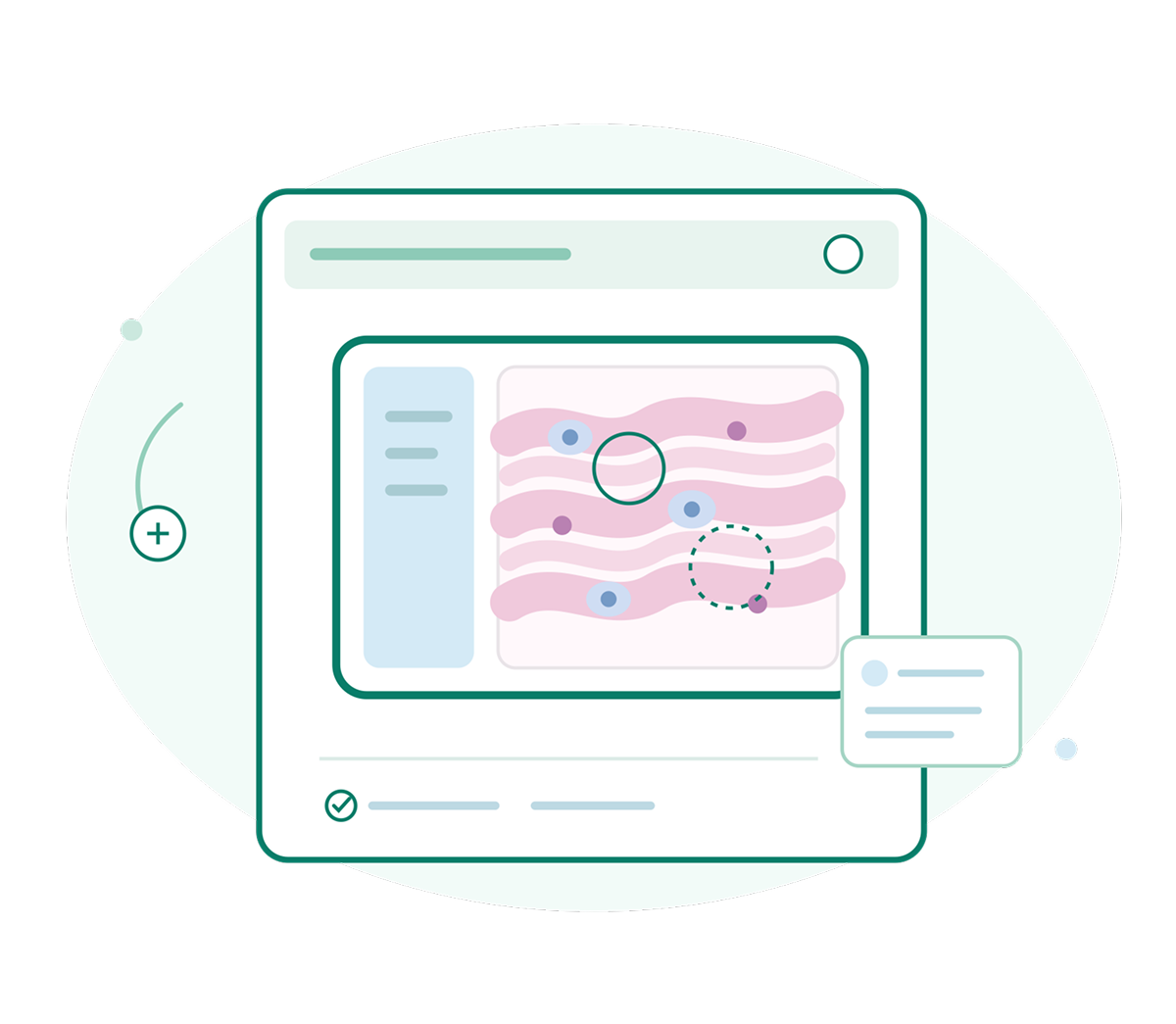
Student Assessments
Digital Assessment Workflows
Create structured assessments using digital slides, pathology cases, and defined learning objectives.
Knowledge Evaluation
Evaluate student understanding through case-based questions, slide review, and pathology-focused activities.
Assessment Tracking
Organize assessment activities and results to support structured monitoring of student learning progress.
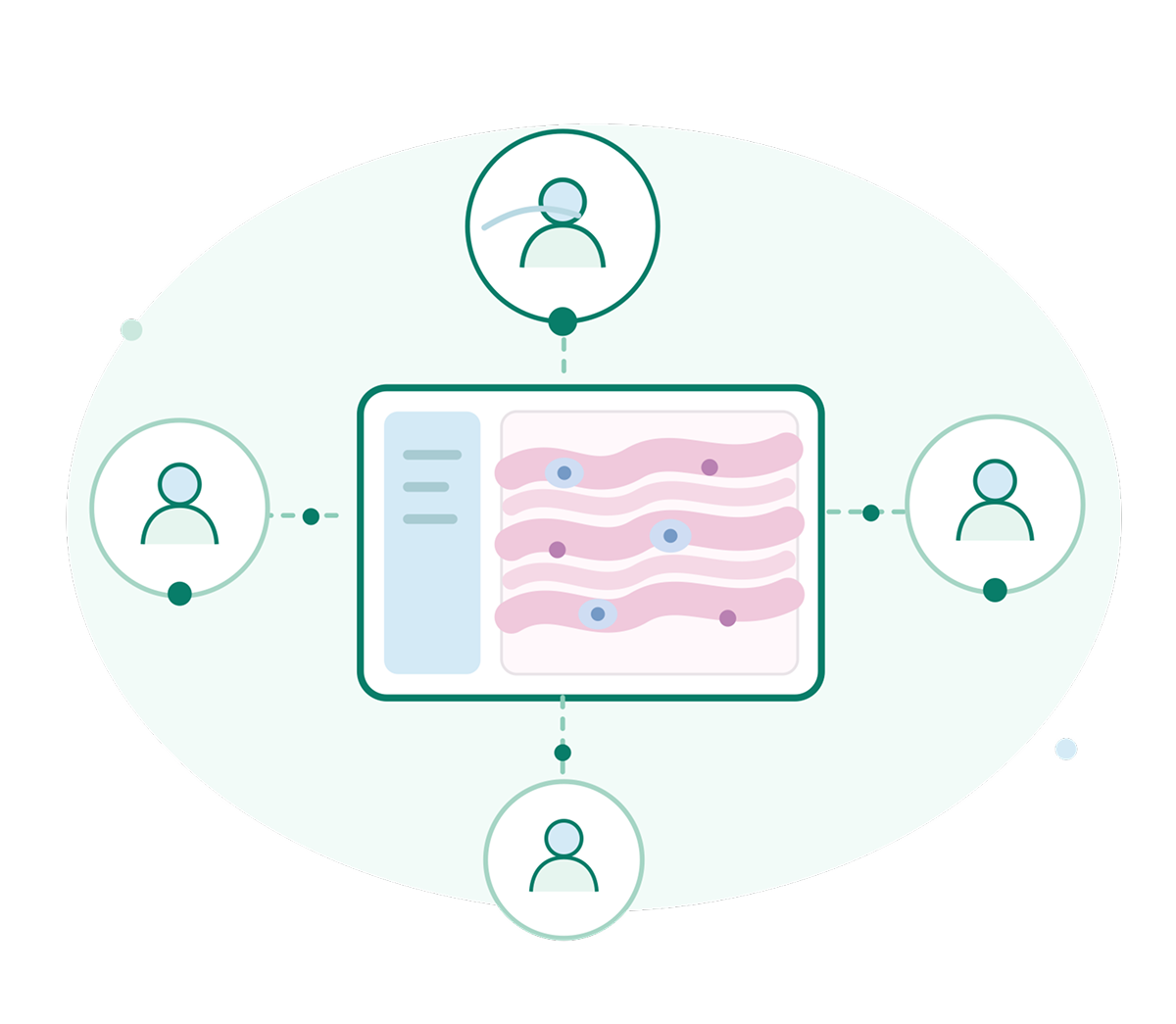
Remote Teaching
Accessible Digital Classes
Deliver pathology teaching sessions remotely through connected digital pathology learning environments.
Faculty-Student Interaction
Support communication between faculty and students during lectures, practicals, and case discussions.
Learning Beyond Campus
Extend pathology education beyond campus with digital access to slides, cases, and teaching resources.
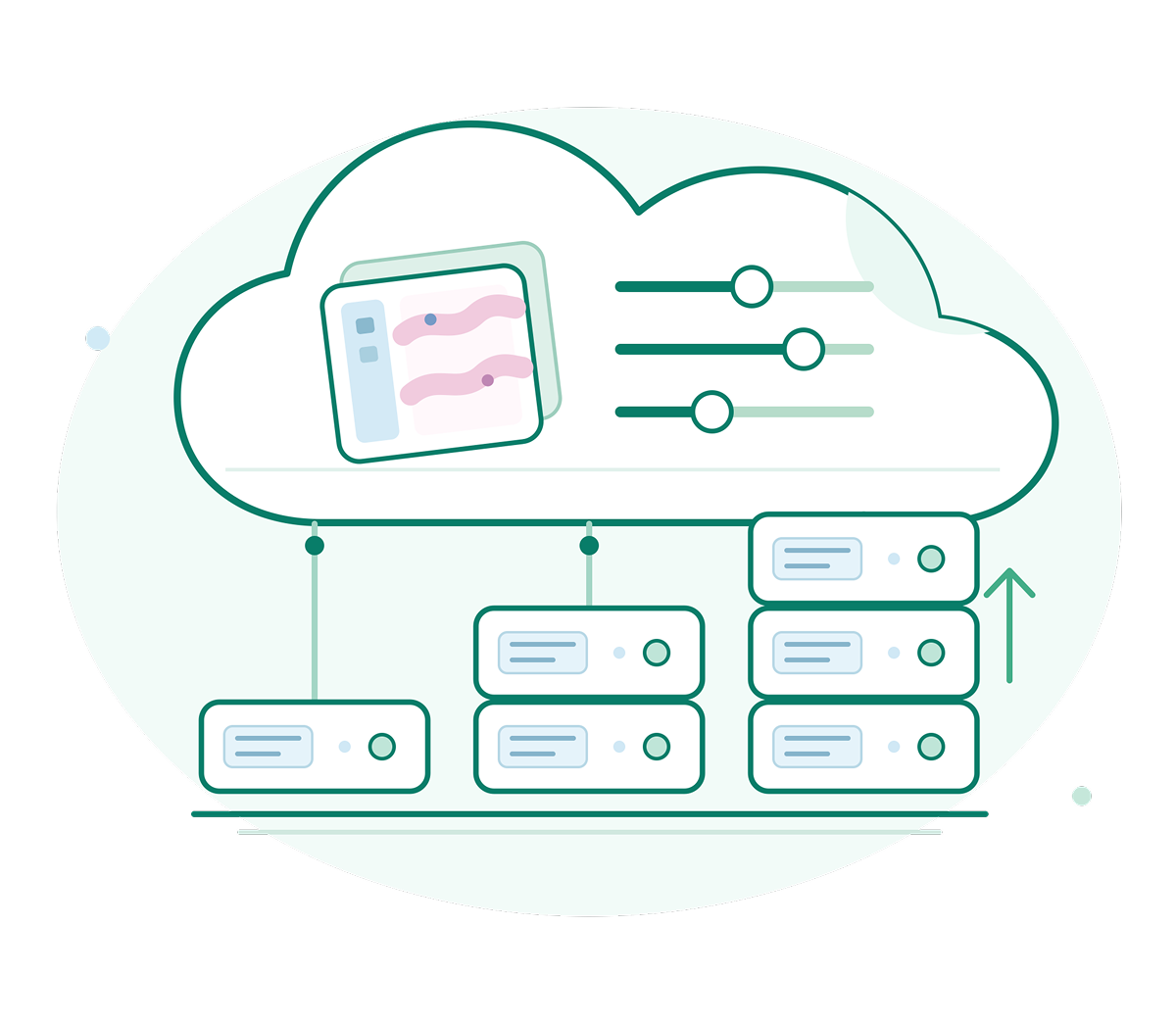
Collaborative Learning
Shared Case Discussions
Enable students and faculty to review digital pathology cases together through collaborative learning workflows.
Peer Learning Activities
Support group-based learning by allowing students to discuss observations and share pathology insights.
Faculty Collaboration
Connect educators to share teaching materials, cases, annotations, and learning approaches across programs.